Author: Hoc-trade
-
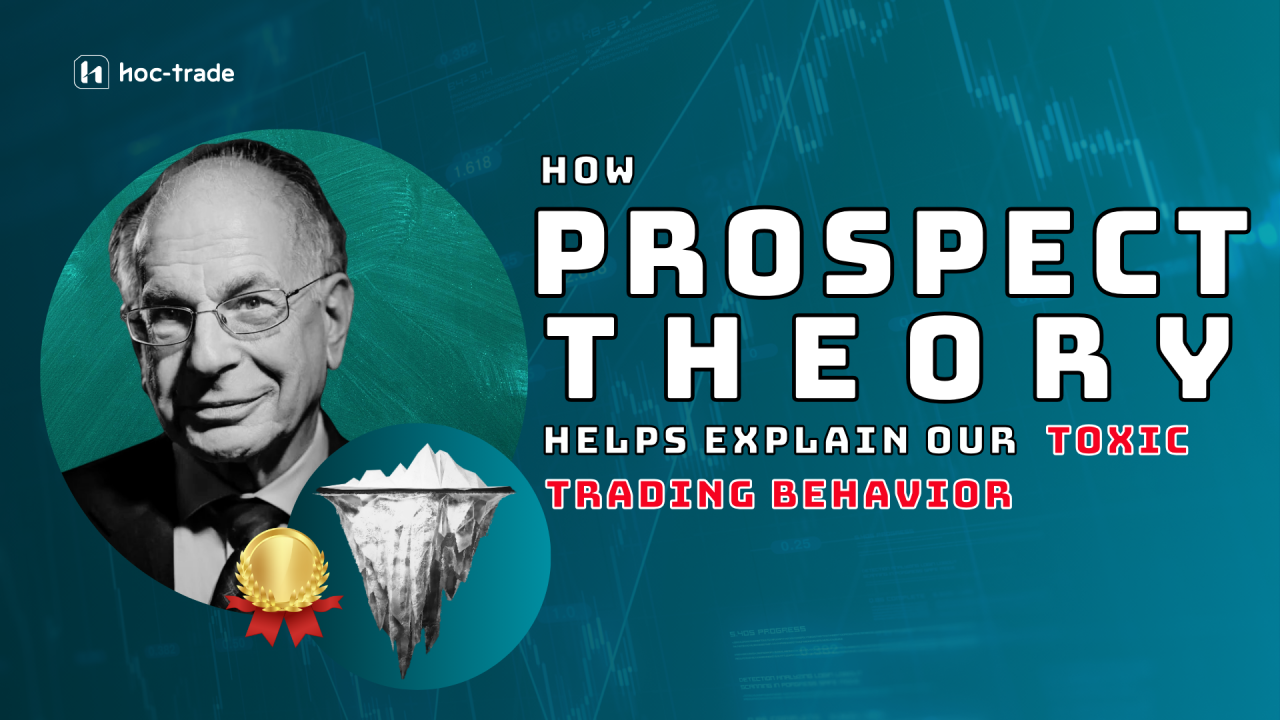
How Nobel Prize-winning ‘Prospect Theory’ helps explain our toxic trading behavior
Prospect Theory, introduced by Kahnemann and Tversky in 1979, stands as a foundational concept in behavioral finance. Its significance was underscored by Kahnemann’s Nobel Prize in Economics in 2002. What is Prospect Theory, and how does it detrimentally impact traders? This theory elucidates a fundamental trading error pervasive among traders. Let’s dissect it step by…
-
How Impatient Entry Impacts Trades Profitability
In the dynamic realm of financial markets, where every tick of the clock can represent a potential profit or loss, the importance of patience cannot be overstated. Yet, despite its recognized significance, many traders struggle with impulsive decisions, for example as in the case of impatient entries. These premature trades, executed before the market reaches…
-
Strategic & Technological Approach to Overcome Impatient Entry
Overcoming impatient entries requires a comprehensive approach that addresses both the psychological and practical aspects of trading. Traders should begin by acknowledging and understanding their susceptibility to impulsive behavior, especially in high-pressure situations. By fostering self-awareness and mindfulness, you can identify the onset of FOMO and implement strategies to counteract its influence. Developing a robust…
-
The Pitfalls of Catching the Falling Knife: A Closer Look at Trading Against Excessive Market Momentum
In the fast-paced world of trading, opportunities can arise suddenly, often accompanied by the temptation to seize them swiftly. One such temptation is known as “catching a falling knife,” a behavior where traders rush to buy an asset that has just experienced a sharp price drop, hoping to profit from an imminent reversal. However, this…
-
To Trade or Not to Trade: Managing Emotional Trades in a Volatile Market
Volatility plays a pivotal role in financial markets, especially during periods of significant news events that influence asset prices. News trading, characterized by trading in response to these news-driven price movements, presents unique challenges and opportunities for traders. Many traders attempt to capitalize on these high volatility environments by scalping profits; however, the rapid and…
-
Striking the Balance to Navigate Overtrading
Overtrading is a common pitfall among new traders in forex, crypto, and other markets, marked by excessive daily trades that often lead to poor performance. Psychological drivers vary widely, from seeking quick profits to increased risk-taking after losses and overconfidence following successful trades, increasing the likelihood of poor outcomes. The frequent execution of trades without…
-
Breaking Free from Loss Aversion: Avoid the Pitfall of Cutting Profits Early to Maximize Wins
Have you ever found yourself closing a winning trade too early, only to watch it continue to rise after you’ve exited? If so, you’re not alone. Many traders experience the urge to “cut profits early,” a behavior driven by the fear of losing unrealized gains. While it might seem like a cautious move, this tendency…
-
Spotting Emotional Trading Bias in Open Position Patterns
Are your emotions driving your trading decisions? Emotional trading can happen when your feelings influence your decisions—whether it’s entry, exit, or trade management. Whether you’re dealing with big losses or significant profits, emotional trading can disrupt your strategy. Dive into this article as we lay out ways to manage your emotions to navigate your emotion…
-
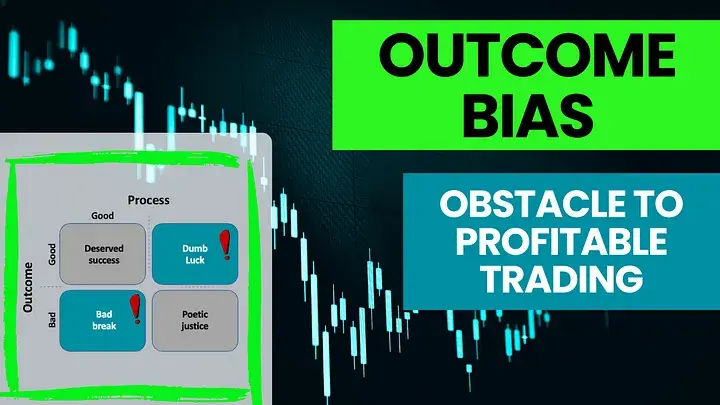
Outcome Bias in Trading: A major obstacle to profitable trading
Does ‘the end justify the means’ if we scored big in a trade as a (Day) Trader? I would strongly argue NO and go even further: “Dumb luck”…
-
Does the Pessimism Bias hurt your Trading Performance? (Trading Psychology)
Behavioral Biases have a strong effect on our Trading irrespective whether you are trading Forex, Crypto, Stocks, Commodities, Futures…